LET'S TALK
Varnish La Piscine
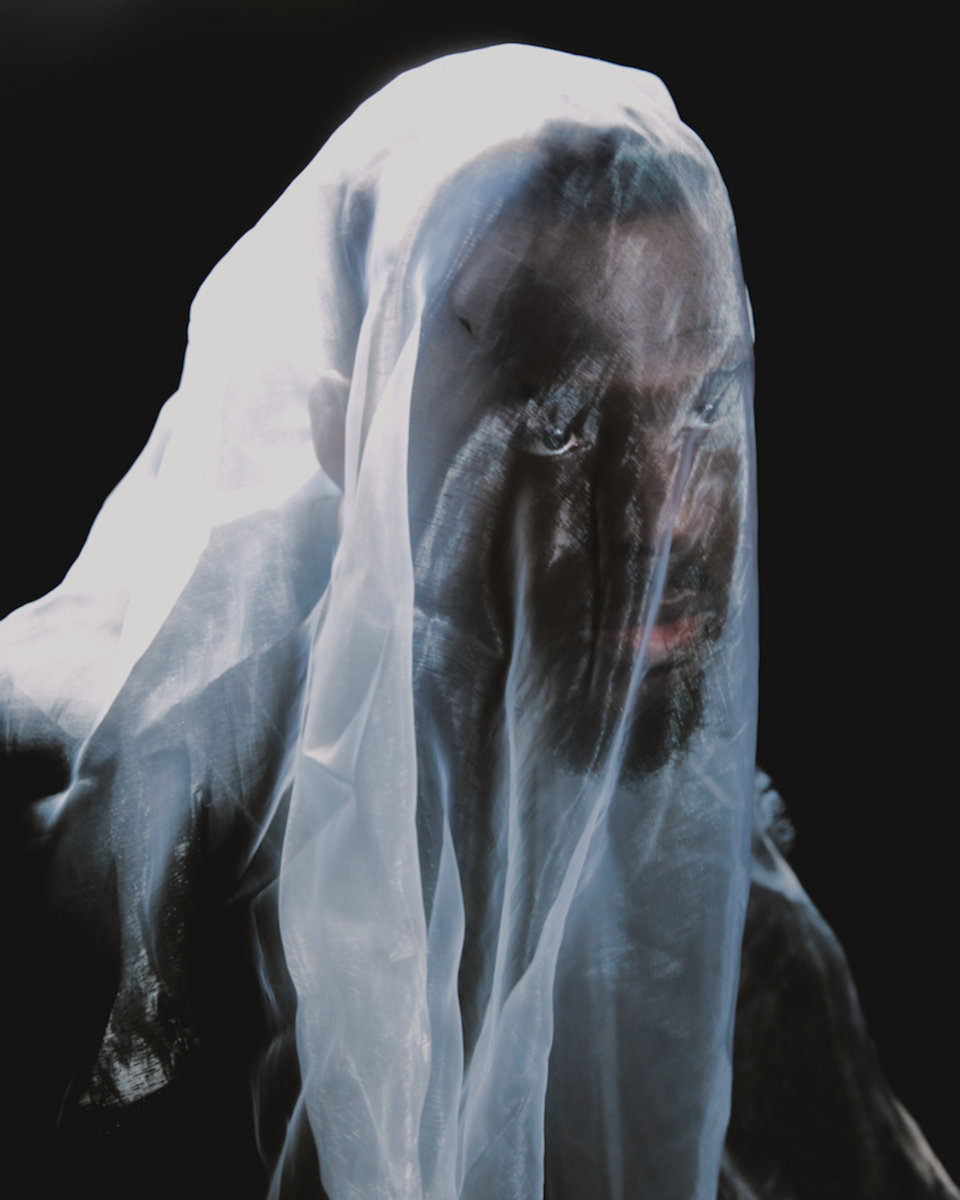
The work doesn't necessarily change, but you do. On exhaustion, hands that keep moving, conversations that fail — and a balloon marked 2027.
That’s one of the things I love most about art: the work doesn’t necessarily change, but you do. And sometimes that is enough to completely alter what you’re looking at.
The first time I heard Varnish La Piscine’s LET’S TALK, I was in a pretty terrible place mentally (weekly mental breakdown type of situation). And the lyrics connected with me almost immediately. He’s tired of having the same conversations with the same psychologist. Tired of shaking the hands of people he doesn’t even know. He doesn’t want a role in “their film” anymore. He wants the voices weighing on him to finally shut up. My first interpretation was therefore pretty straightforward: exhaustion. Mental fatigue. The desire to disappear. Especially when he repeatedly says that he’s “sur le point de le faire.” But what makes the song more unsettling is that he never fully commits to leaving either. At one point, he wonders where this “lueur d’espoir” everybody keeps talking about actually is. And yet he is also afraid of running away before seeing “la fin du film.”
That contradiction stayed with me. There’s a part of him that wants out of the film, and another part that still wants to know how it ends. I listened to the song an unreasonable and awful number of times with essentially that interpretation. Then I watched the visualizer and initially saw the same thing: exhaustion, suffering, hopelessness. A few days later, I came back to it in a better state of mind, partly thanks to a conversation with someone I love. And somehow I saw an entirely different video.
The hands
The visualizer follows what appear to be Varnish’s hands travelling through radically different environments: sand, snow, mountains, volcanic landscapes, difficult terrain, grass. The hands are repeatedly subjected to whatever environment they’re moving through. They’re hurt, exposed, burned. But they keep moving. That was the first thing that changed my interpretation. The journey never actually stops. And even while the hands are suffering, the perspective occasionally opens up onto something larger than the suffering itself: mountains, landscapes, greenery, something beautiful beyond what is happening immediately in front of them.
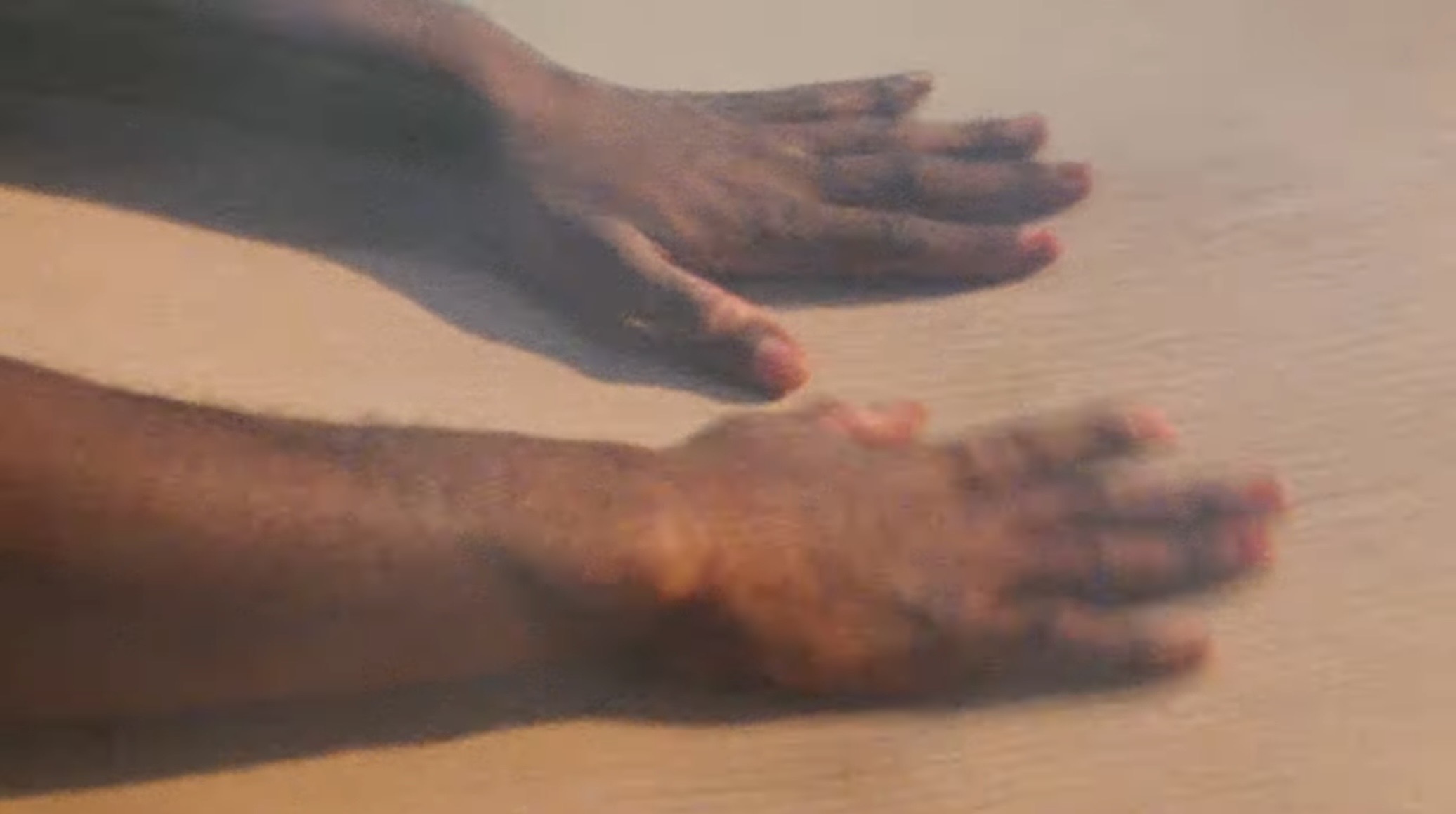
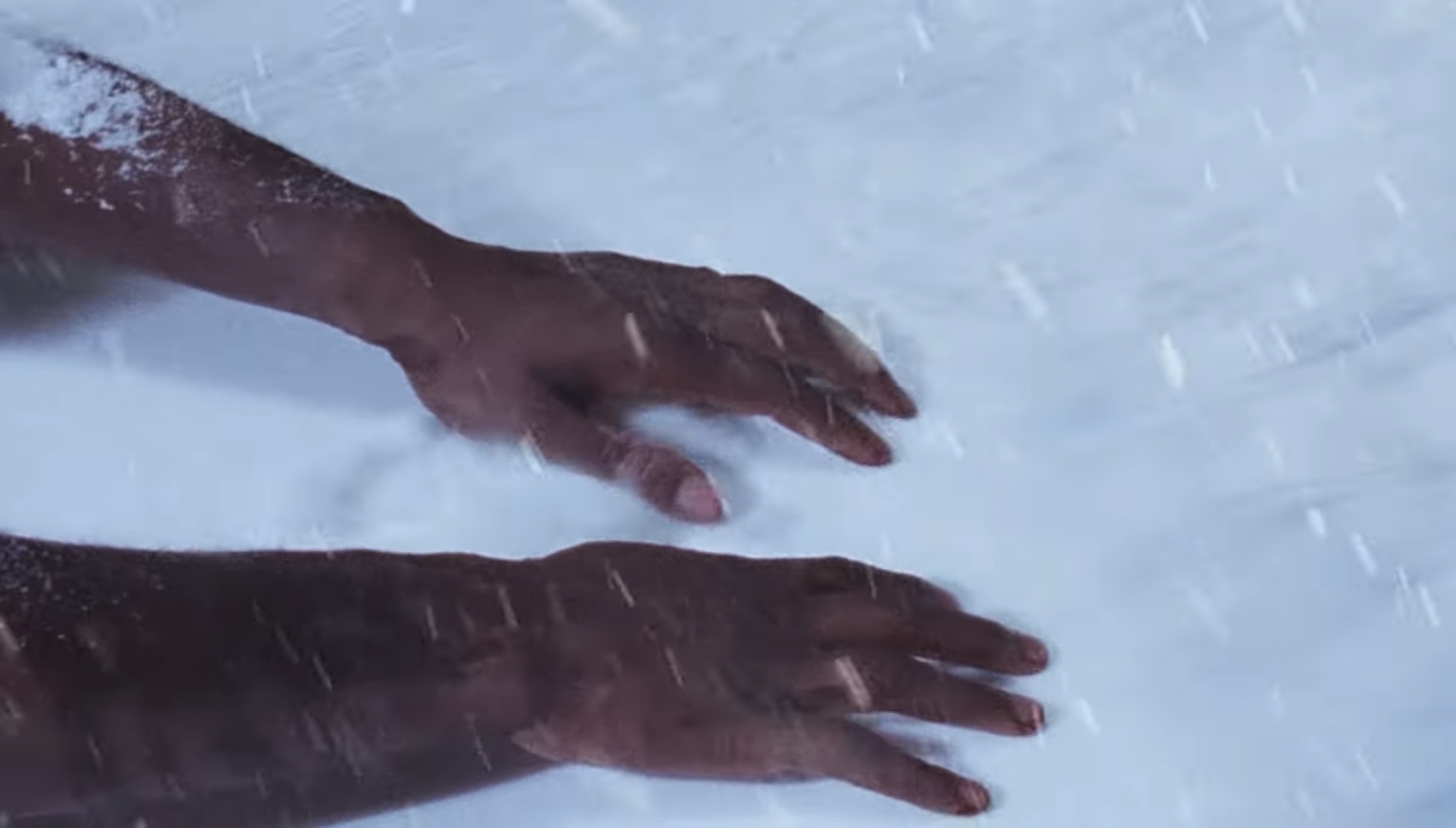
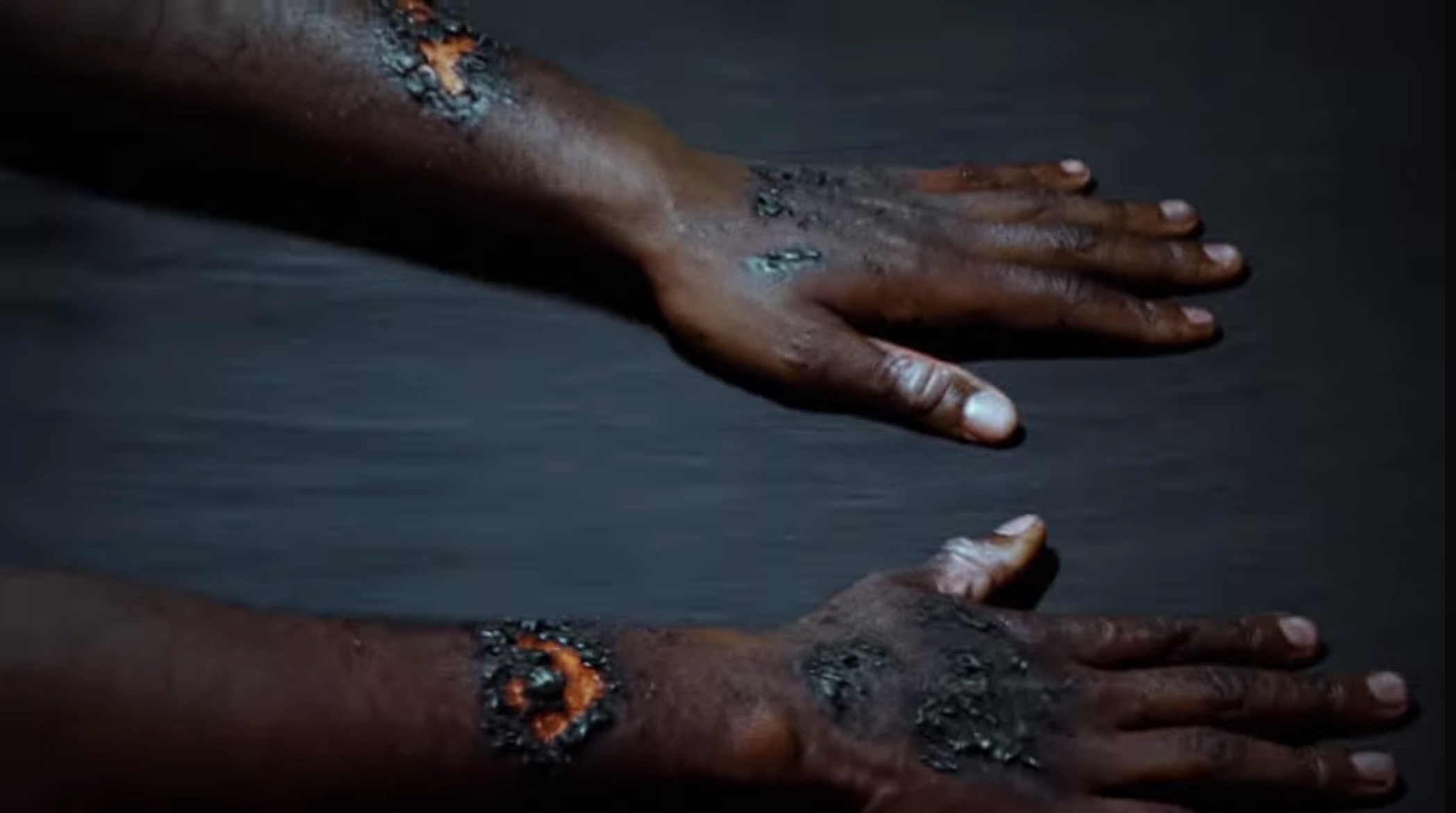
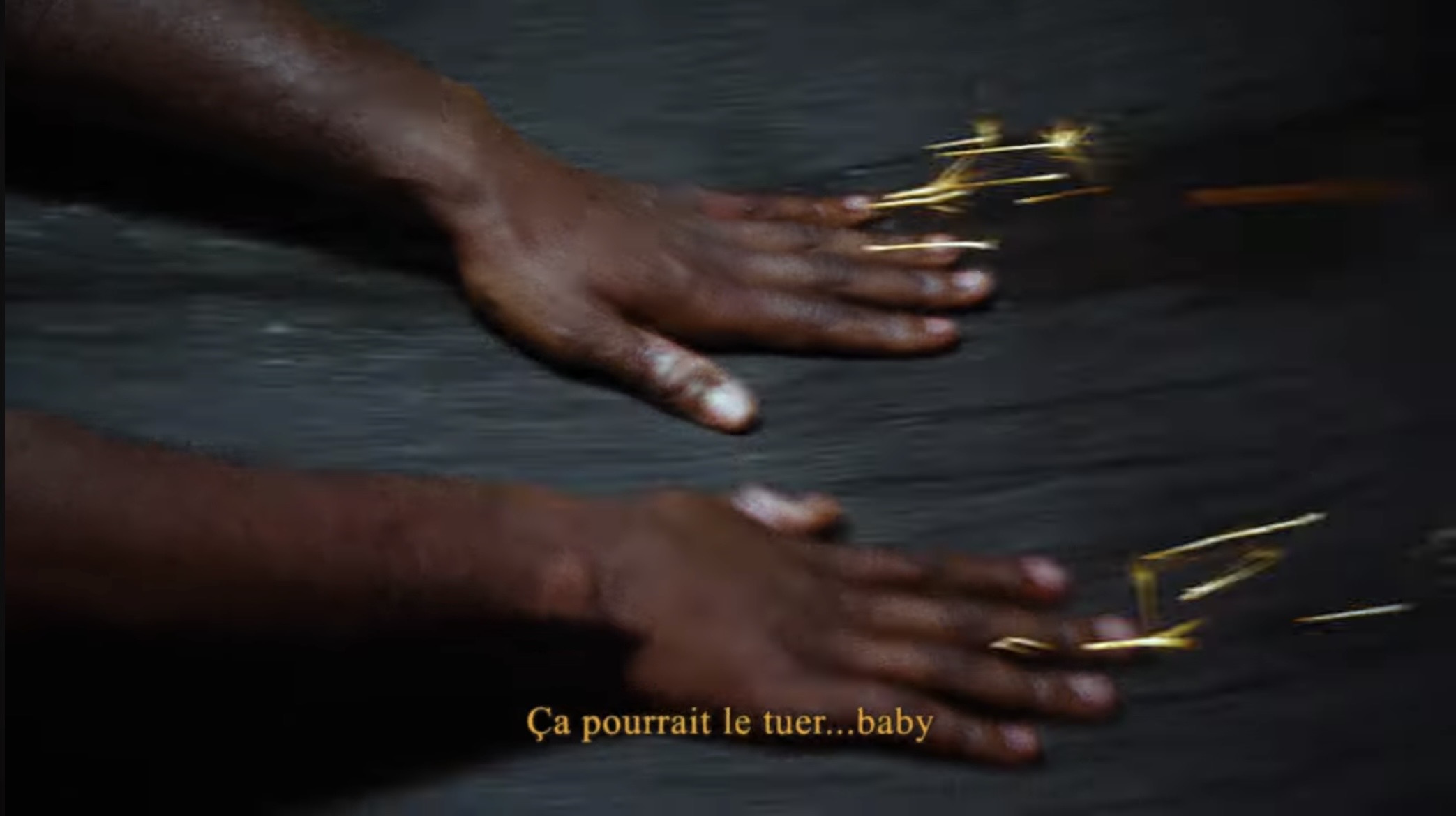
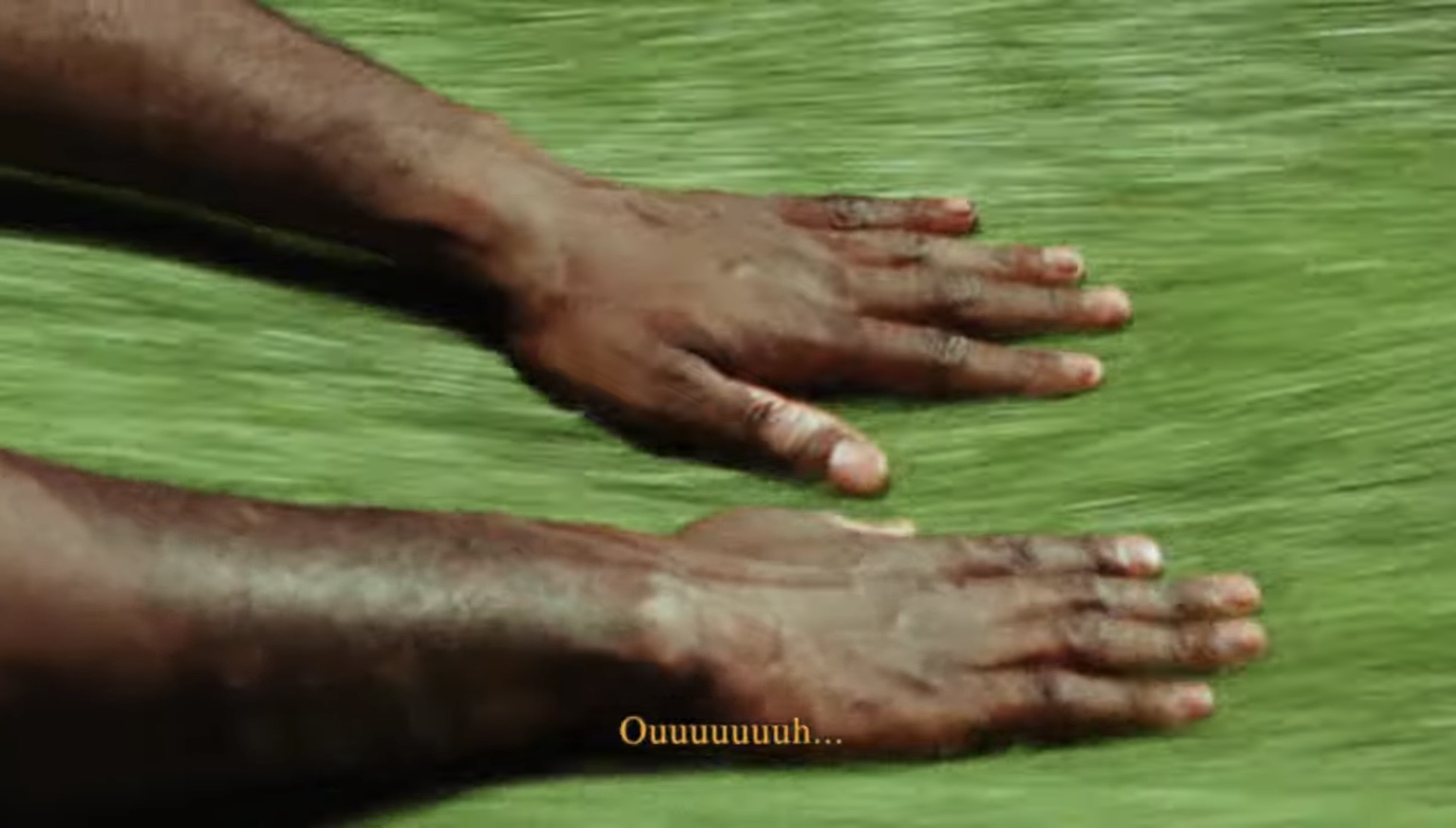
Then there is the lava. The hands get burned. An image that made me think again about the lyric concerning all those strangers whose hands he has to shake. But eventually, they recover. And that’s where I started seeing seasons instead of simply suffering. Fire. Cold. Heat. Rough ground. Green grass. You can get burned by one environment without remaining burned forever. Maybe the point isn’t that everything gets better. Maybe it isn’t even about optimism. The song itself is far too uncomfortable for that.
The hands are burned, but the journey continues.
Maybe it’s simply about movement. One season doesn’t need to contain the proof that every future season will be okay. You only need enough reason to make it into the next one.
And strangely, that made the lyric about “la fin du film” hit differently too. At first I heard someone desperate to escape his life. Now I also hear somebody who, despite everything, isn’t quite ready to leave the cinema. He still wants to see how the film ends.
Everybody is talking
There’s another irony I hadn’t noticed at first either: the song is called LET’S TALK, yet almost every form of communication inside it seems to have failed. The psychologist isn’t enough. The obligatory social encounters exhaust him. The voices in his head overwhelm him. Other people keep talking to him about hope without being able to show him where that hope actually is. Even love becomes something he temporarily pushes away because he doesn’t want another person mixed up in what’s happening inside him. Everybody is talking. Nobody seems able to say the thing he needs to hear. Which makes LET’S TALK feel less like an invitation to make conversation and more like a plea for conversation to finally mean something.
The part I find beautiful
And maybe none of this is what Varnish meant. That’s almost beside the point. My interpretation of the visualizer as an invitation to resilience probably says as much about where I was when I watched it as it does about the video itself. A few days earlier, the exact same work had confirmed my hopelessness. A few days later, it was showing me impermanence. That’s the part I find beautiful.
To me, that’s what music, painting, fashion, art in general can do at its best. Not necessarily give you an answer, but create something spacious enough for you to recognize part of yourself inside it. Something you can return to from another angle and discover that it has somehow become a different object. Even when it hasn’t changed at all.
2027
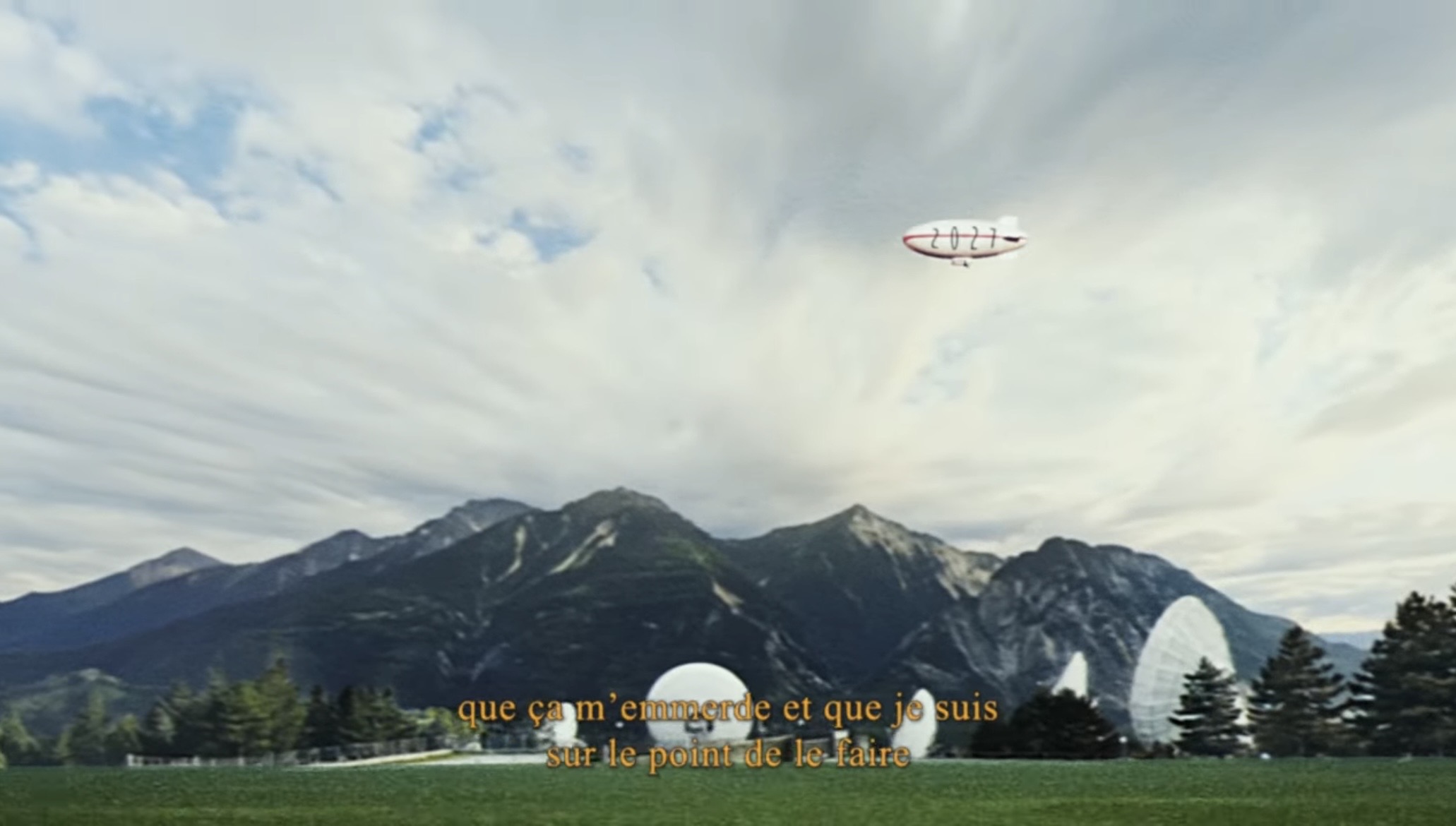
One final detail: a balloon marked “2027” appears several times throughout the visualizer. Maybe it’s a clue. Maybe 2027 is the destination at the end of all these environments, an album, an EP, another film, another chapter. Maybe this entire journey is showing us what Varnish has to cross before getting there. Or maybe I’m doing exactly what I’ve spent this whole piece talking about: projecting meaning onto an image because I desperately want it to mean something. Who knows?
“2027”, drifting through the frame — a clue, a destination, or a projection.
Either way, if 2027 does mean new Varnish La Piscine, I’ll be there to see how the film continues.